Cost of Living Comparison: City Life vs Small-Town Living
TL;DR
- Housing is typically the biggest cost difference between cities and small towns
- Small towns often offer larger properties and lower home prices
- Daily expenses such as parking, commuting, and entertainment may be lower in smaller communities
- Cities provide convenience but often come with higher overhead costs
- Many people are choosing small towns for space, balance, and long-term affordability
Cost of Living Comparison: City Life vs Small-Town Living
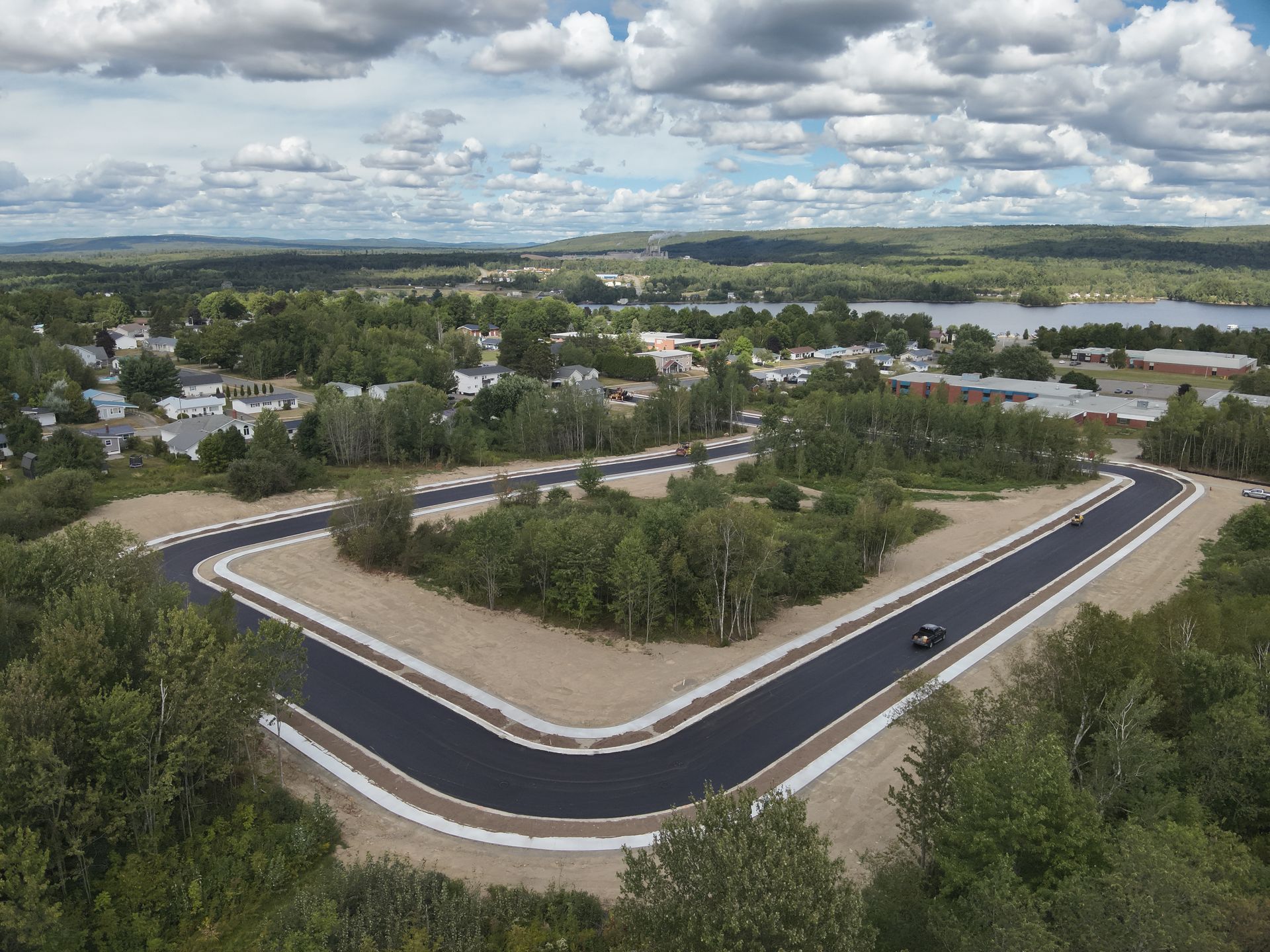
In places like Destination Nackawic, the balance between cost of living and quality of life becomes especially clear. Homes sit close to the St. John River, outdoor recreation is available throughout the year, and daily routines unfold within a community that values connection and natural surroundings. For many people exploring relocation, the appeal lies not just in affordability, but in how comfortably life fits around the landscape.
Where we choose to live affects far more than scenery and surroundings. It shapes everyday expenses, financial priorities, and how people spend their time.
In recent years, many households have begun rethinking the balance between city life and smaller communities. Rising housing prices, shifting work patterns, and the growth of remote work have encouraged people to explore alternatives to dense urban centers.
One of the most important factors in that decision is cost of living.
While cities offer convenience and opportunity, smaller towns often provide a different type of value: more space, lower housing costs, and a lifestyle that can feel less financially pressured.
Understanding how these environments compare helps people make informed choices about where they want to build their lives.
What Is Cost of Living?
Cost of living refers to the total amount of money required to maintain a particular standard of living in a specific location.
It typically includes major expenses such as:
- Housing or rent
- Utilities and energy costs
- Food and groceries
- Transportation
- Property taxes
- Entertainment and recreation
These categories can vary significantly depending on whether someone lives in a large metropolitan area or a smaller community.
Housing alone often accounts for the largest portion of the difference.
Housing Costs: The Largest Gap
Housing prices frequently create the most noticeable contrast between city living and small-town living.
In major cities, limited land and high demand drive housing prices upward. Apartments and houses are often smaller while costing considerably more per square foot.
In smaller communities, land availability and lower population density tend to create different conditions.
Homebuyers may find:
- Larger properties
- Detached homes rather than apartments
- Opportunities to build new homes
- More outdoor space surrounding the property
Instead of paying primarily for location and proximity to dense urban infrastructure, homeowners often gain more physical space and flexibility.
For many people, this difference alone significantly changes long-term financial planning.
Transportation and Commuting
Transportation costs also vary depending on location.
Urban residents often rely on a combination of public transit, parking fees, and commuting expenses. In some cities, simply storing a vehicle can become a significant monthly cost.
Smaller communities tend to offer simpler transportation routines.
Travel times are often shorter, and parking is usually easier to find. Daily errands, school trips, and recreational outings may require less planning and fewer expenses.
For people working remotely, commuting costs may disappear almost entirely.
The time saved from commuting can also become one of the most valuable benefits of small-town living.
Food, Services, and Everyday Purchases
The cost of groceries and everyday purchases can also differ depending on location.
Cities often provide a wide variety of dining options and specialized services, but those choices frequently come with higher prices. Restaurant meals, entertainment venues, and convenience services tend to reflect the higher operating costs associated with urban areas.
Smaller communities typically focus on local businesses and essential services.
While there may be fewer choices, the experience often feels more personal and less transactional. People tend to shop at familiar locations and interact regularly with the same local providers.
Over time, these patterns can help stabilize everyday expenses.
Space and Lifestyle Value
One of the most overlooked aspects of cost of living is the value of space.
In cities, many people pay a premium for compact living areas close to workplaces or entertainment districts. Apartments may prioritize efficiency over size, and outdoor space is often limited.
Small-town living tends to offer a different balance.
Homes may include:
- Larger yards
- Garages and storage space
- Room for gardens or outdoor gatherings
- Additional rooms for offices or hobbies
These features often allow residents to enjoy activities at home that might otherwise require travel or paid experiences in a city environment.
The result is not only financial value but also lifestyle flexibility.
Time as an Invisible Cost
Cost of living discussions often focus on money, but time is another important factor.
City life frequently involves longer travel times, crowded public spaces, and schedules shaped by congestion and distance.
Smaller communities often operate at a different pace.
Residents may spend less time commuting and more time participating in local activities, outdoor recreation, or community events.
The ability to move easily between work, home, and recreation can significantly improve daily routines.
For many people, this shift in time management becomes just as valuable as the financial savings.
Access to Nature and Recreation
Another difference between urban and small-town environments is proximity to natural landscapes.
Cities often provide parks and organized recreation areas, but access to rivers, forests, and open spaces may require travel.
In smaller communities, natural surroundings often sit much closer to home.
This proximity can make activities such as hiking, boating, fishing, and winter sports part of everyday life rather than occasional outings.
Because many of these activities require little or no cost once equipment is owned, they can also reduce long-term recreational expenses.
The Rise of Lifestyle-Based Relocation
As remote work and flexible employment options continue to expand, many people are beginning to prioritize lifestyle factors alongside financial considerations.
Instead of choosing a location solely based on proximity to employment, individuals and families now have more freedom to evaluate where they want their daily routines to unfold.
This shift has led many households to explore smaller communities that offer:
- Affordable housing opportunities
- Access to outdoor recreation
- Strong local communities
- A slower and more manageable pace of life
For those seeking balance between work and personal time, small-town environments can offer compelling advantages.
If you are considering how lifestyle, space, and affordability might come together in a smaller community, Destination Nackawic offers an opportunity to experience what everyday life can look like beyond the pace and costs of larger cities.
Sources
Statistics Canada – Cost of living and housing data
Canada Mortgage and Housing Corporation – Housing market analysis
Tourism New Brunswick – Regional lifestyle and recreation information